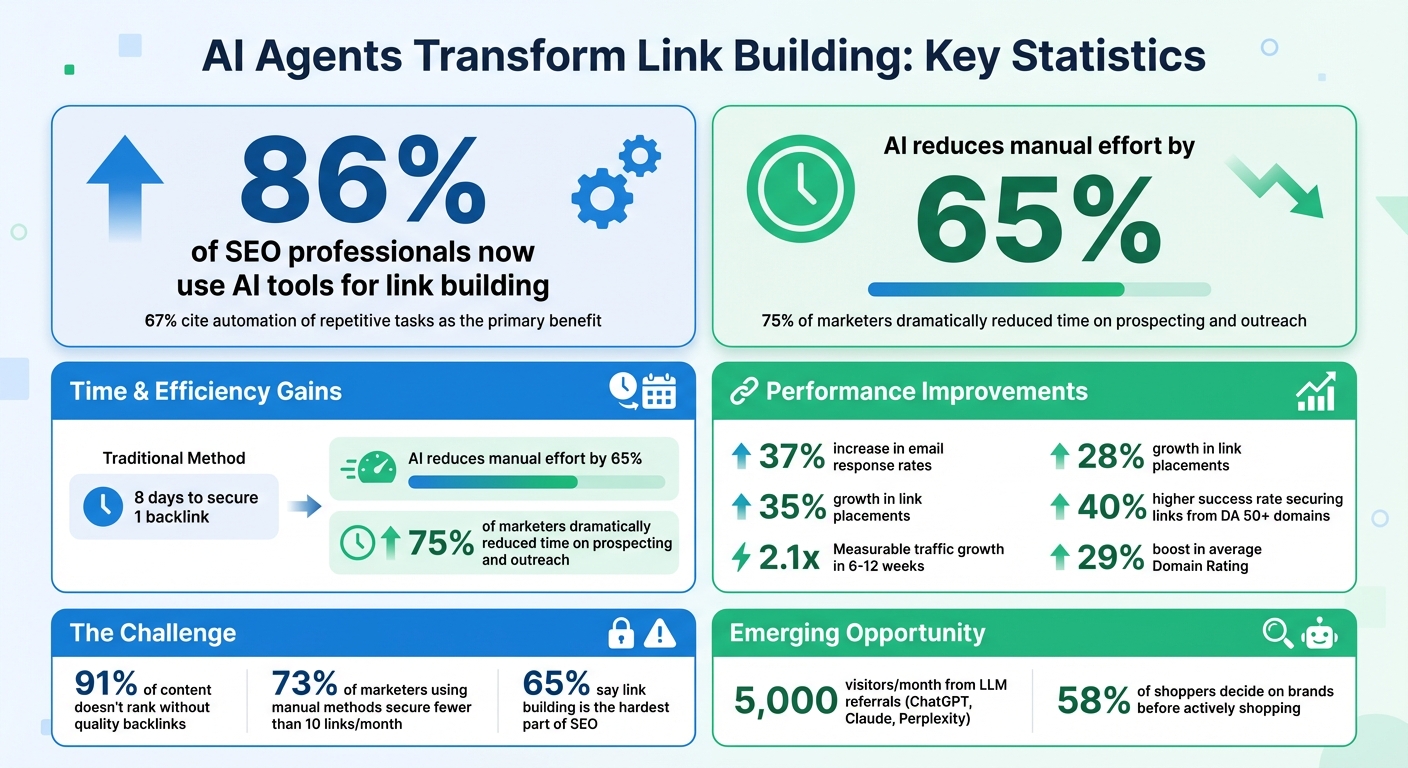
How AI Scaling Transforms Link Building
Web App Manifest is a JSON file that declaratively specifies the name of the application for the web browser, the icon, how the PWA will look (fullscreen, standalone, and other screen alternatives), and some other criteria. An app shell is the skeleton of the graphical user interface, including a fundamental set of fixed aspects in HTML, CSS, and JavaScript. It's kept on the customer side and filled when the app is introduced, with dynamic content then loaded into it from the network. This approach guarantees a practically instantaneous launch on subsequent check outs. The key functions of PWAs consist of: PWAs can run throughout devices and browsers. The service worker caches content for offline usage. PWAs use up less storage area compared to standard mobile apps.
Organizations can use this ability to engage users with news signals and sales promos. PWAs immediately update in the background, so users don't need to download updates from app shops. Rather of buying establishing numerous apps, you can use one solution that works across gadgets. PWA websites work much faster than traditional sites, increasing web performance. For instance, Twitter reported a 65% boost in pages per session after launching a PWA. Naturally, for some services, a PWA can't fully replace a native mobile application. However, if the benefits noted above meet your needs, a PWA can be an excellent, and a lot more economical, alternative to a native app for your company.
For example, PWAs are well-suited for companies whose services consumers use regularly. A PWA will benefit businesses such as food delivery services, beauty parlor, cleaning companies, online shops, online media, and more.
Additionally, PWAs do not support Touch ID and have actually limited performance with Bluetooth. The initial load of a PWA can likewise be slower due to the fact that the website information requires to be stored in the device's cache. After clearing the cache, the website won't work offline until the next time it connects to the web.
Other PWA limitations consist of the following: PWA can rapidly drain the battery due to the intensive use of the CPU; PWA doesn't have the very same access to device functions as native apps; The problem of executing the technology on the existing website; Lots of PWA features don't operate in the incognito mode of the internet browser.
Future SEO Scaling via AI Automation
You can constantly discuss your needs with us to find out if a progressive web app or other innovation is the best option for your company. The primary differentiating factor between PWAs and native apps is how end users access them. Native apps are available in app stores and require installation, downloading, and setup.
When it concerns offering features, native apps appear to have the upper hand, as they have direct access to system hardware. Their integration choices are certainly superior and exceptional to those of PWAs. Native apps are more most likely to use better information export, cross-platform connectivity, payments, access control, geofencing, motion detection, and other functions.
In addition, PWAs do not support Touch ID and have actually limited performance with Bluetooth. The preliminary load of a PWA can likewise be slower due to the fact that the site details needs to be stored in the device's cache. After clearing the cache, the site will not work offline until the next time it connects to the web.
XRumerPWA Design Tips for SEO
Other PWA limitations include the following: PWA can quickly drain the battery due to the intensive use of the CPU; PWA doesn't have the exact same access to device functions as native apps; The difficulty of executing the technology on the existing website; Numerous PWA features do not operate in the incognito mode of the web browser.
You can constantly discuss your needs with us to learn if a progressive web app or other technology is the best service for your organization. The main separating factor in between PWAs and native apps is how end users access them. Native apps are readily available in app shops and require setup, downloading, and configuration.
When it concerns offering features, native apps appear to have the upper hand, as they have direct access to system hardware. Their combination alternatives are certainly superior and superior to those of PWAs. Native apps are most likely to provide better data export, cross-platform connectivity, payments, gain access to control, geofencing, motion detection, and other functions.
Xrumer for AI agentsTop JavaScript Framework Rankings in 2026
Furthermore, PWAs do not support Touch ID and have actually restricted performance with Bluetooth. The initial load of a PWA can also be slower since the website info requires to be stored in the gadget's cache. After clearing the cache, the site will not work offline up until the next time it links to the web.
Other PWA restrictions consist of the following: PWA can rapidly drain pipes the battery due to the intensive usage of the CPU; PWA does not have the same access to gadget functions as native apps; The problem of executing the technology on the existing website; Many PWA functions don't operate in the incognito mode of the web browser.
You can always discuss your needs with us to discover if a progressive web app or other innovation is the very best solution for your business. The main separating factor between PWAs and native apps is how end users access them. Native apps are readily available in app stores and require setup, downloading, and setup.
Next-Gen Software for Results
When it comes to offering functions, native apps appear to have the upper hand, as they have direct access to system hardware. Their integration alternatives are certainly top-notch and superior to those of PWAs. Native apps are most likely to provide better information export, cross-platform connectivity, payments, gain access to control, geofencing, movement detection, and other features.