How to Automate Metadata Distribution Throughout Thousands of Sites
The Evolution of Search Indexing in 2026
The digital environment in 2026 has actually shifted away from the simple keyword matching of previous years toward a deep dependence on machine-driven content analysis. Browse engines now prioritize sites that use raw data clarity and high-speed shipment. This shift makes the choice of a content management system (CMS) an essential technical choice rather than just an innovative one. Traditional monolithic systems, which bundle the database and the presentation layer, often struggle with the weight of unneeded code. On the other hand, a headless CMS supplies material through an API, enabling a much cleaner interaction in between the server and the search bots that crawl the web for details.
Automated indexing has actually become the standard for the majority of search platforms. Bots no longer just "read" a page; they evaluate the efficiency of the information delivery. When a site uses a decoupled architecture, it lowers the amount of heavy lifting a browser or a spider need to do. This performance is specifically crucial for business concentrating on digital marketing since it makes sure that brand-new material is indexed practically as quickly as it is released. The speed at which a search engine can crawl and categorize a website straight impacts its presence in a competitive year like 2026.

Speed and Crawl Budget in the modern market
Every search engine assigns a crawl budget to a site, which is the quantity of time and resources it invests fetching information from that domain. In any competitive region, services typically lose exposure since their websites are too sluggish or too intricate for bots to navigate effectively. A headless CMS addresses this by getting rid of the presentation layer bloat. Given that the content is provided by means of lightweight JSON files rather than heavy HTML blocks, search crawlers can move through numerous pages in the time it would require to process a handful of pages on a standard site.
This technical performance is a primary chauffeur for numerous organizations seeking to enhance their search standing. For example, those concentrating on Asia Virtual Solutions Value find that a faster Time to First Byte (TTFB) considerably improves how often search engines go back to crawl the site. When the server action is consistently quick, the online search engine increases the crawl budget, enabling more of the site's pages to be indexed and updated in real-time. This is a far more effective method to handle a digital presence than merely including more material to a sluggish, outdated system.
Optimizing API Responses for Automated Indexing
The method an API is structured figures out how well a search engine can comprehend the relationship between various pieces of material. In 2026, using GraphQL has actually ended up being more common for headless setups since it enables for particular data bring. Instead of a spider getting a whole page of information, it can request exactly what it requires to comprehend the context of the page. This surgical accuracy in data delivery keeps the website lean and guarantees that the most crucial info is prioritized throughout the indexing procedure.
Structured data is another location where headless systems excel. Due to the fact that the material is currently saved in a structured format in the CMS, it is simpler to output JSON-LD directly into the head of the page. This helps online search engine identify the particular kind of content being presented, whether it is a product, a review, or a technical guide. For services in the regional area, this level of information can be the distinction between appearing in a featured snippet or being buried on the 2nd page of results.
Headless Architecture and Mobile-First Indexing in 2026
Mobile-first indexing is no longer a brand-new principle, but the requirements for mobile performance have reached an all-time high in 2026. Search engines now use mobile rendering as the main method to evaluate a site's worth. A headless CMS enables designers to construct a front end particularly for mobile gadgets that does not have to carry the weight of the desktop variation's possessions. This guarantees that the mobile experience is fast and responsive, which is a key metric for maintaining high search rankings.
The ability to utilize various "heads" or front-end frameworks for various gadgets implies that a company can serve a highly enhanced variation of its site to a mobile phone while still offering a feature-heavy variation for desktops. All of this material is pulled from the exact same main source, guaranteeing consistency. Numerous groups dealing with Asia Virtual Solutions Value are approaching this design to ensure they are satisfying the strict performance requirements set by modern search algorithms. By decoupling the material from the design, they prevent the risks of responsive design that can sometimes lead to slow mobile load times.
Automated Indexing and Webhooks
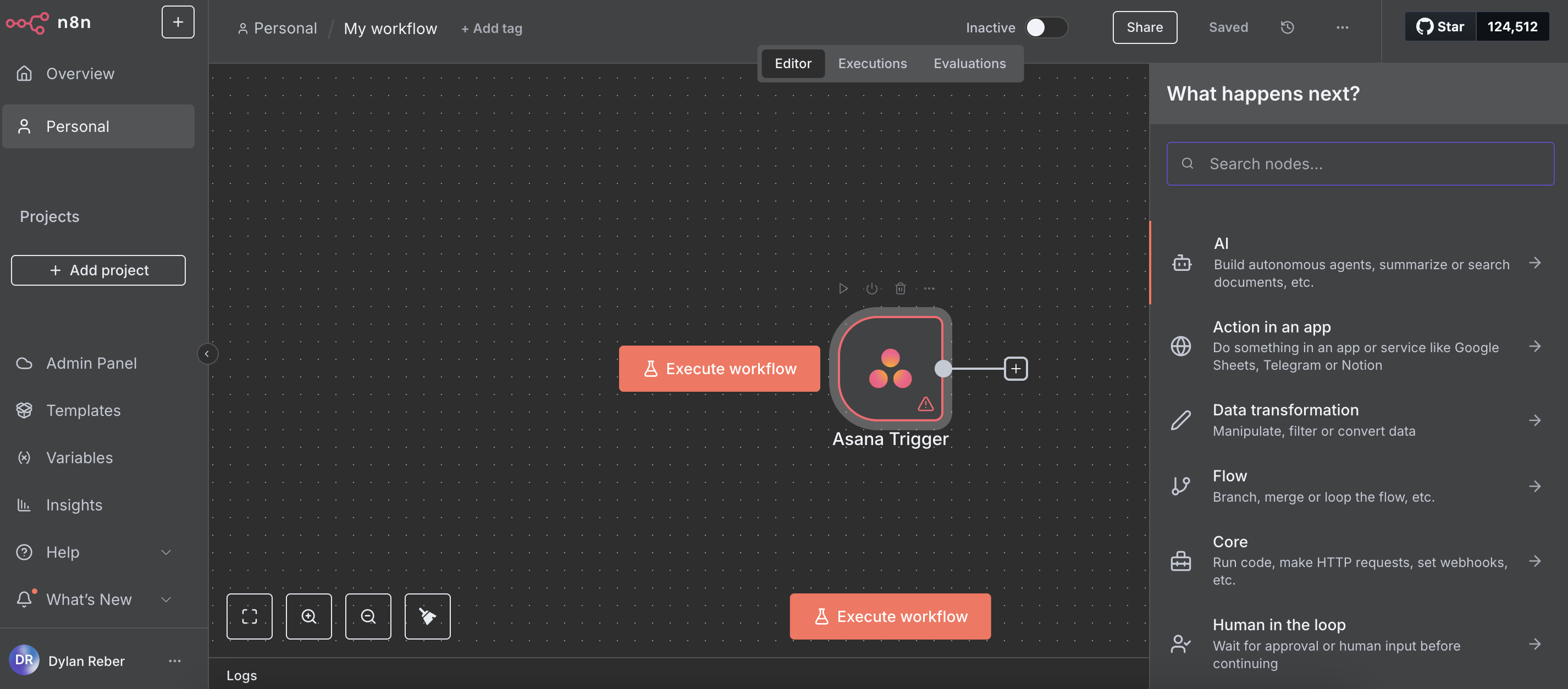
Among the most efficient tools in a headless setup is the use of webhooks. These are automated signals sent out from the CMS to the online search engine or a develop server whenever content is included or modified. Rather of awaiting a spider to ultimately find a brand-new page, a webhook can activate an immediate update. This creates a push-based indexing system instead of a pull-based one. In the busy market of the local area, being the very first to have updated details indexed can supply a considerable advantage over competitors who depend on traditional, slower crawl cycles.
This automation extends to the generation of sitemaps. In a headless environment, sitemaps are often generated dynamically by means of a script that queries the CMS API. This guarantees that the sitemap is always an accurate reflection of the site's existing state. If a page is erased or a URL is changed, the sitemap updates instantly, avoiding crawlers from hitting 404 errors, which can negatively impact the site's credibility with search engines. This level of technical health is necessary for anyone looking to keep a strong presence in digital communications.
Technical SEO Advantages of a Decoupled Stack
A decoupled stack enables a more granular method to SEO. Since the front end is built individually, designers have total control over the HTML output. This means they can make sure that there is no unneeded code, no concealed aspects that could puzzle a spider, and a completely clean heading structure. The lack of theme-related bloat, which is typical in standard CMS platforms, makes it much easier for online search engine to parse the content and understand the hierarchy of details on the page.
Additionally, the security of a headless CMS is inherently higher due to the fact that the database is not straight connected to the front-facing site. Browse engines in 2026 have actually been known to punish websites that show indications of vulnerability or have actually been compromised by malware. By utilizing an API-first technique, the attack surface area is decreased, which assists keep the website's stability and its standing in search engine result. This security, combined with the efficiency gains, makes headless architecture a preferred option for high-stakes industries in the surrounding region.
Improving Core Web Vitals with Headless Shipment
Core Web Vitals remain the primary criteria for determining user experience and search efficiency. Headless CMS setups permit severe optimization of these metrics, especially the Biggest Contentful Paint (LCP) and Cumulative Layout Shift (CLS) Due to the fact that the designer has full control over how and when possessions are filled, they can focus on the making of the primary content, guaranteeing a fast LCP. CLS is likewise simpler to manage due to the fact that the design is not based on heavy third-party plugins that may fill at various times.
Consistent performance across these metrics informs online search engine that the site is dependable and easy to use. In 2026, the automated systems that rank websites are more delicate to small variations in these ratings. Utilizing a headless system provides the stability required to keep these ratings high consistently. This stability is a major aspect for those focused on web optimization when they are developing new platforms or moving from tradition systems.
Choosing the Right Headless CMS for Automation
Not all headless systems are equivalent when it comes to automation and indexing. Some deal much better built-in tools for handling metadata and structured data, while others concentrate on the speed of their API delivery. When choosing a system for a job in the regional market, it is necessary to take a look at how the CMS manages localized content and internationalization. If an organization runs in numerous regions, the CMS needs to be able to serve the appropriate variation of the content to the appropriate crawler without adding latency.
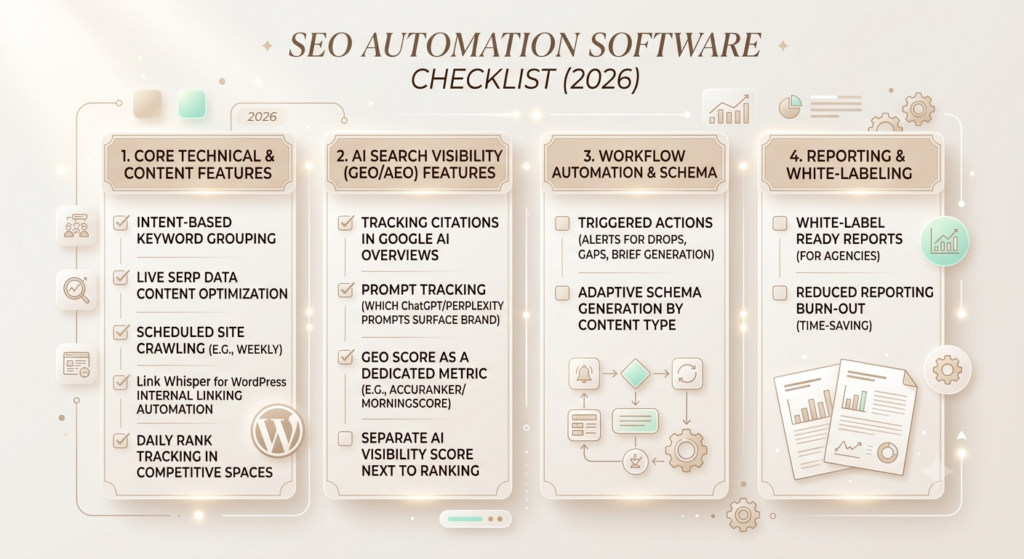
The ability to integrate with third-party automation tools is likewise a significant factor to consider. In 2026, many marketing groups use AI-driven tools to produce meta descriptions and alt text for images. A good headless CMS will have an open API that enables these tools to push information straight into the content fields. This creates a structured workflow where content is not only developed but likewise enhanced for search engines automatically before it even goes live. This level of integration is what separates a basic content repository from a genuinely modern marketing engine.
As the year 2026 progresses, the space in between high-performing headless sites and bloated tradition websites will only continue to grow. The focus on automated indexing and crawl performance has actually made technical architecture a primary concern for anybody associated with content management. By prioritizing speed, clean data delivery, and automated workflows, companies can guarantee their material reaches its designated audience without being held back by technical constraints.