Reducing Latency in Large-Scale Dynamic Site Networks
Building Authority in modern markets Through Semantic Structures
Search engine algorithms in 2026 have actually moved far beyond easy keyword matching. The primary focus for natural exposure now fixates topical authority, a metric figured out by how completely a website covers a specific subject location. This shift has actually made manual content creation for large-scale sites nearly difficult to maintain. Rather, the focus has actually approached automated material clusters. These clusters include a central "pillar" page that provides a top-level overview of a topic, linked to lots of "spoke" pages that cover granular subtopics. When these clusters are produced utilizing advanced AI models, they can develop a site as an expert in digital specialties within a fraction of the time it took just a couple of years earlier.
The reasoning behind this technique is rooted in how 2026 search bots process details. Crawlers no longer look at pages in seclusion. They assess the relationship in between pages to figure out if a domain possesses the depth required to please user intent. A website that publishes a single post about a complex subject will struggle to rank versus a rival that has released a 50-page cluster. By utilizing automated systems to map out these topical nodes, organizations can ensure there are no gaps in their details architecture. This systematic protection sends a signal of knowledge that is difficult to replicate through sporadic, manual updates.
Success in this environment depends upon the quality of the underlying data. Automated systems in 2026 usage real-time search patterns and rival gap analysis to identify which subtopics need coverage. For those focused on Asia Virtual Solutions Affordable, the objective is to produce a web of interlinked articles that keep users on the website longer. This internal connecting structure is as important as the material itself. It guides the crawler through the site hierarchy, ensuring that every page is indexed and categorized correctly within the broader topical map.
Managing Link Growth for online brands in 2026
Material is just half of the equation. As the volume of published pages increases through automation, the need for a matching boost in backlink speed becomes obvious. Backlink velocity describes the speed and consistency at which a website acquires brand-new incoming links. In 2026, online search engine utilize this metric to verify the legitimacy of a website's growth. If a site unexpectedly includes 500 pages of content however fails to see a rise in external discusses, the algorithm may flag the content as low-value or simply artificial. To prevent this, high-velocity link building should be integrated with content production.
High-velocity methods include more than simply quantity. The links must come from diverse sources that are topically relevant to the material being promoted. In the current 2026 environment, online search engine are extremely hesitant of link spikes that appear disconnected from a website's publishing schedule. A natural development curve shows links being earned soon after new content clusters go live. This develops a pattern of recognition that informs the online search engine the new info is being mentioned and shared by others in the market.
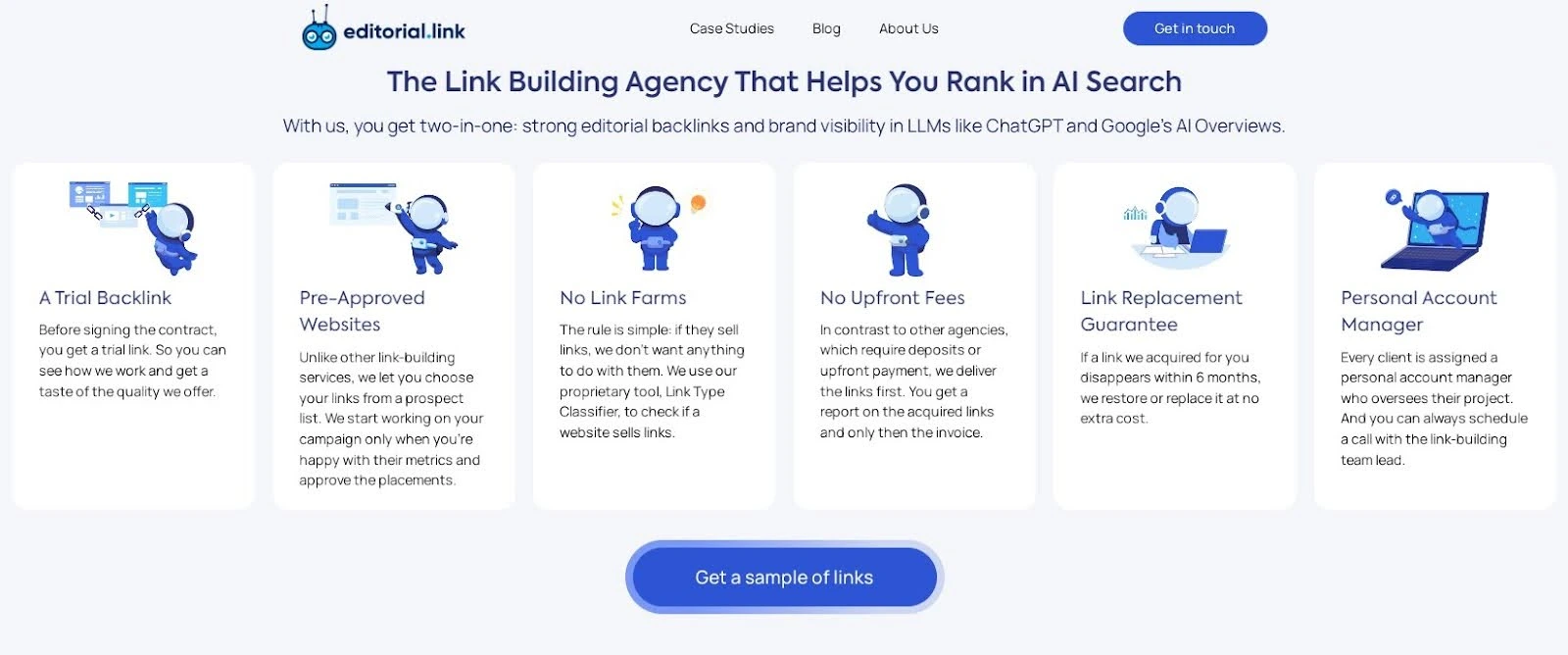
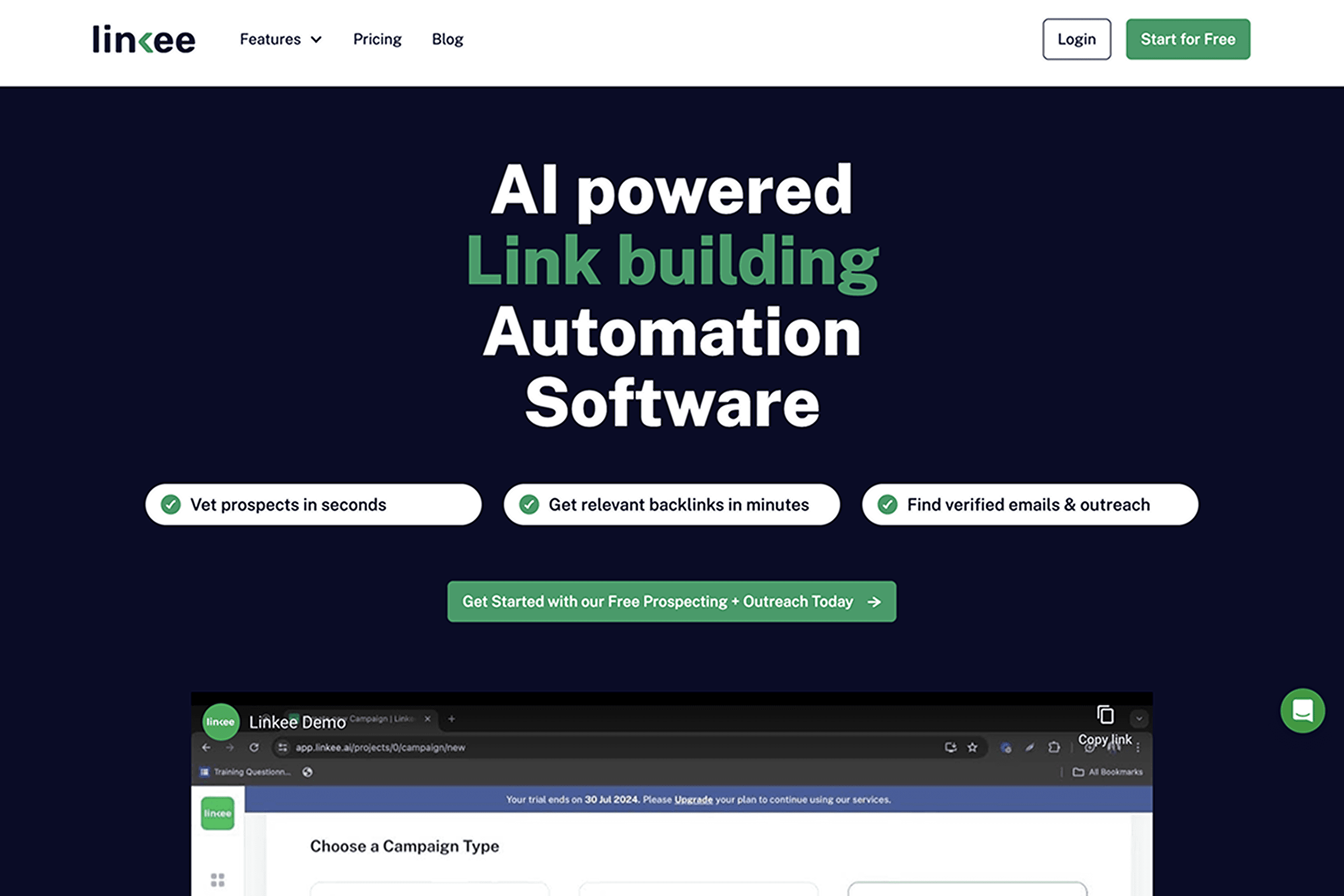
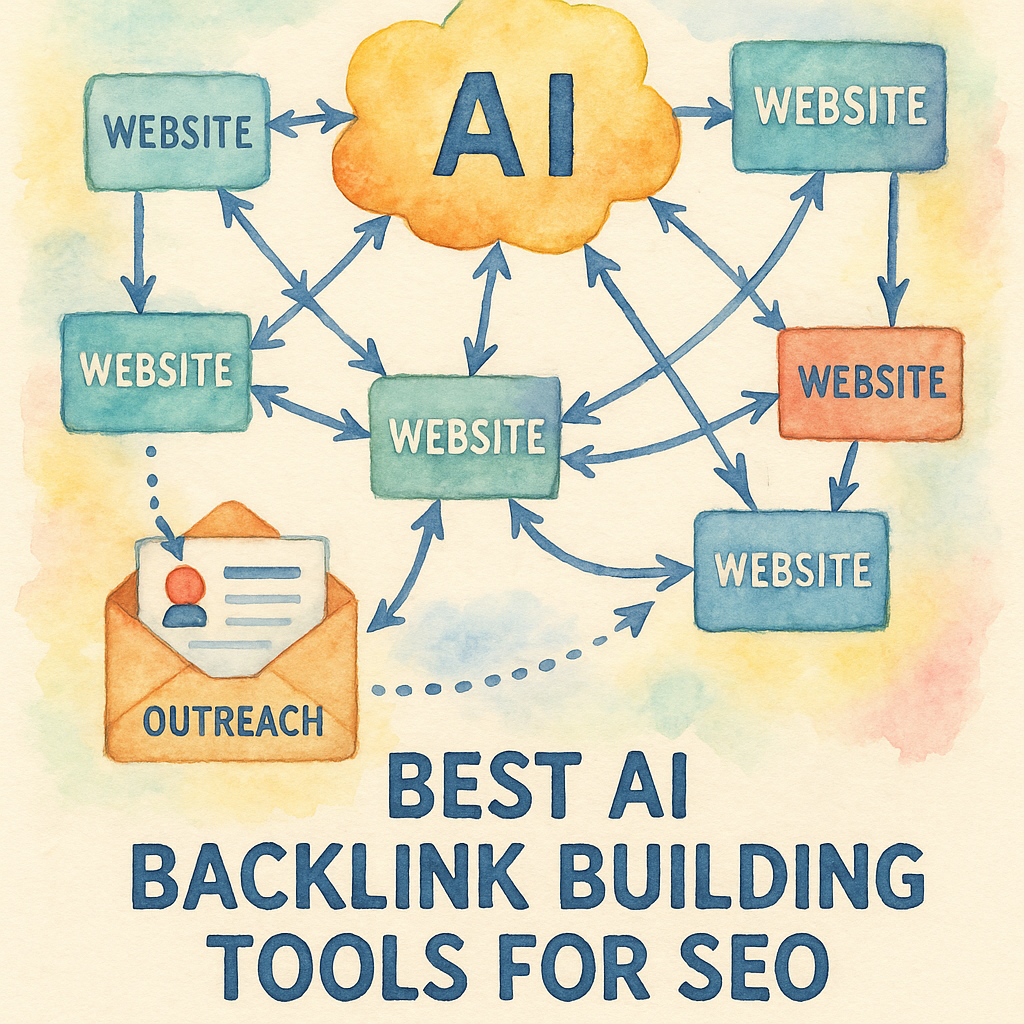
Automated tools now assist in determining these link chances at scale. These systems scan the web for mentions of specific topics and suggest outreach targets that have a high possibility of connecting back. For organizations prioritizing Asia Virtual Solutions Affordable, the focus is on maintaining a steady pulse of new referring domains. This continuous influx of authority avoids the site from stagnating in the search results. It also provides the "link juice" required to push competitive cluster pages onto the very first page of outcomes.
.webp)
The Role of Topical Importance in regional Search Rankings
Context matters especially in 2026. A link from a high-authority website is still important, however its weight is significantly increased if the linking page is topically related to the target page. Search engines now use vector-based indexing to comprehend the "semantic range" between two sites. If a website about automobile repair work links to a site about professional consulting, the link carries less weight than a link from a market trade publication. This is why automated clusters are so reliable. They offer a wide net of particular subjects, making it simpler for numerous specific niche sites to discover pertinent material to connect to.
Regional relevance also plays a part in how these clusters carry out. For services operating in specific geographic areas, including localized data and mentions within the cluster can enhance efficiency in local search results. Automation permits the insertion of localized variables without compromising the overall stability of the topical map. This makes sure that the material feels appropriate to a specific audience while still serving the more comprehensive goal of building global topical authority.
The speed of discovery is another element. In 2026, social networks signals and news points out often precede standard backlinks. Automated systems keep track of these signals to identify which parts of a cluster are acquiring traction. This data allows for a more concentrated link-building effort, directing resources towards the pages that are currently showing signs of natural interest. This data-driven approach ensures that the backlink velocity is focused where it will have the a lot of influence on rankings.
Overcoming Discovery Obstacles in technical industries
One of the primary difficulties with high-volume material is guaranteeing it gets discovered and indexed. Even with perfect internal connecting, a 1,000-page cluster can take weeks for a crawler to fully process. High-velocity link building serves as a driver for this process. Each brand-new external link supplies a fresh course for a spider to find the site. By pointing links at different nodes within the cluster, rather than simply the pillar page, services can force a more frequent and much deeper crawl of their entire domain.
This strategy likewise assists in constructing a more "natural" link profile. A website where 90% of the links point to the homepage is a warning for 2026 search filters. A healthy profile shows links dispersed throughout different educational pages. These "deep links" prove that the site provides worth beyond its main service offerings. Automation assists track this distribution, making sure that no single page becomes an apparent outlier in the link chart.
The combination of AI into both content production and link acquisition has actually leveled the playing field to some degree. Small operations can now complete with much larger entities by being more efficient with their topical mapping. The secret is to maintain a balance. Content ought to be produced at a rate that the link-building group-- or automated system-- can support. This consistency between "supply" (material) and "need" (links) is the hallmark of a successful 2026 SEO technique.
Long-Term Authority Upkeep in the global market
Establishing authority is just the very first step. Maintaining it needs a dedication to keeping clusters upgraded. In 2026, details decay is a substantial ranking aspect. If a cluster contains out-of-date information or broken links, its authority rating will drop. Automated systems now include "refresh cycles" where content is periodically scanned and upgraded with brand-new statistics, dates, and pertinent links. This keeps the content "evergreen" and ensures that the backlink velocity stays high, as other websites are more likely to connect to existing details.
The relationship between content clusters and link velocity represents an essential shift in digital growth. It is no longer about winning a single keyword; it is about owning a whole conversation. By utilizing automation to scale both the creation of material and the acquisition of links, businesses can build a protective moat around their search positions. This method requires a technical state of mind and a desire to trust algorithmic insights, however the lead to 2026 promote themselves. Those who master the timing and structure of these two components are the ones who dominate the search results, despite the market or location.