Scaling Material Delivery Without Overloading Your Rendering Engine
The Development of Search Indexing in 2026
The digital environment in 2026 has actually shifted away from the simple keyword matching of previous years towards a deep dependence on machine-driven content analysis. Search engines now focus on sites that offer raw data clearness and high-speed shipment. This shift makes the choice of a content management system (CMS) an essential technical choice instead of just an innovative one. Conventional monolithic systems, which bundle the database and the presentation layer, often battle with the weight of unneeded code. On the other hand, a headless CMS provides material through an API, enabling a much cleaner interaction between the server and the search bots that crawl the web for info.
Automated indexing has ended up being the requirement for many search platforms. Bots no longer just "check out" a page; they assess the performance of the information delivery. When a site utilizes a decoupled architecture, it reduces the amount of heavy raising an internet browser or a spider should do. This performance is especially crucial for business focusing on digital marketing due to the fact that it ensures that new material is indexed nearly as soon as it is published. The speed at which a search engine can crawl and categorize a site straight affects its visibility in a competitive year like 2026.
Speed and Crawl Spending Plan in the modern market
Every search engine designates a crawl budget plan to a site, which is the amount of time and resources it spends fetching information from that domain. In any competitive region, businesses often lose presence because their websites are too sluggish or too complex for bots to navigate effectively. A headless CMS addresses this by getting rid of the discussion layer bloat. Because the content is delivered through lightweight JSON files rather than heavy HTML blocks, search spiders can move through numerous pages in the time it would require to process a handful of pages on a traditional site.
This technical effectiveness is a main driver for many companies wanting to enhance their search standing. For instance, those focusing on Wikipedia Info discover that a quicker Time to First Byte (TTFB) significantly improves how typically search engines return to crawl the website. When the server response is regularly quickly, the search engine increases the crawl spending plan, enabling more of the site's pages to be indexed and upgraded in real-time. This is a much more effective way to manage a digital presence than merely including more content to a slow, out-of-date system.
Enhancing API Responses for Automated Indexing
The method an API is structured identifies how well an online search engine can comprehend the relationship in between various pieces of content. In 2026, the use of GraphQL has ended up being more typical for headless setups due to the fact that it enables particular data bring. Rather of a spider getting an entire page of information, it can ask for precisely what it requires to understand the context of the page. This surgical precision in data delivery keeps the website lean and guarantees that the most essential info is prioritized throughout the indexing procedure.
Structured data is another location where headless systems excel. Since the material is currently stored in a structured format in the CMS, it is much easier to output JSON-LD straight into the head of the page. This helps browse engines recognize the particular kind of content existing, whether it is a product, a review, or a technical guide. For companies in the regional area, this level of information can be the difference in between appearing in a highlighted snippet or being buried on the 2nd page of outcomes.
Headless Architecture and Mobile-First Indexing in 2026
Mobile-first indexing is no longer a new concept, however the requirements for mobile performance have actually reached an all-time high in 2026. Online search engine now use mobile rendering as the main method to assess a website's value. A headless CMS permits developers to construct a front end particularly for mobile gadgets that does not have to carry the weight of the desktop version's properties. This ensures that the mobile experience is fast and responsive, which is an essential metric for maintaining high search rankings.
The capability to use different "heads" or front-end frameworks for various gadgets means that a company can serve a highly enhanced version of its site to a smartphone while still using a feature-heavy version for desktops. All of this content is pulled from the same central source, ensuring consistency. Numerous groups dealing with Wikipedia Info are moving towards this design to guarantee they are meeting the rigorous performance requirements set by contemporary search algorithms. By decoupling the content from the style, they avoid the mistakes of responsive design that can sometimes cause slow mobile load times.
Automated Indexing and Webhooks
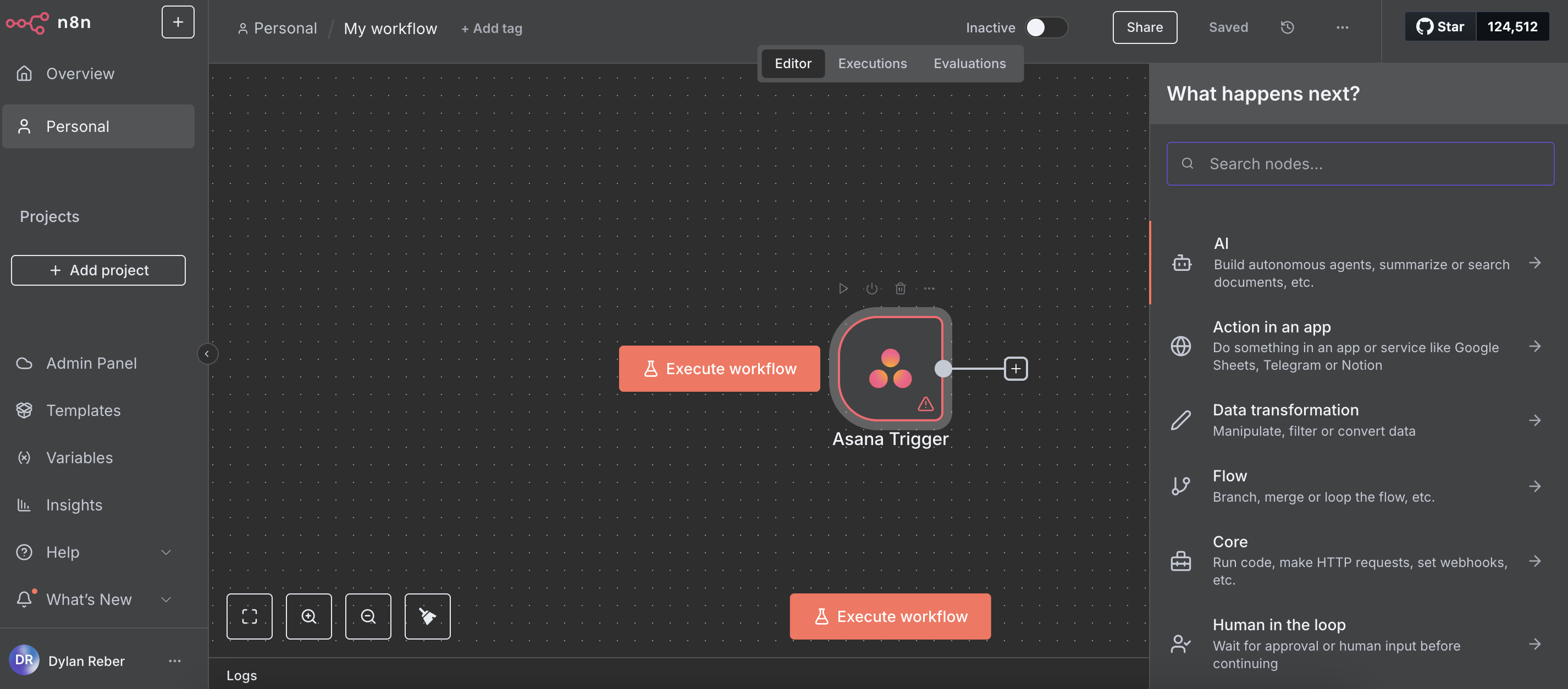
Among the most reliable tools in a headless setup is using webhooks. These are automatic signals sent from the CMS to the online search engine or a construct server whenever material is included or modified. Instead of waiting on a crawler to eventually discover a new page, a webhook can activate an immediate upgrade. This produces a push-based indexing system rather than a pull-based one. In the hectic market of the local area, being the first to have updated info indexed can provide a substantial benefit over rivals who depend on conventional, slower crawl cycles.
This automation encompasses the generation of sitemaps. In a headless environment, sitemaps are often generated dynamically through a script that queries the CMS API. This guarantees that the sitemap is always an accurate reflection of the site's existing state. If a page is deleted or a URL is altered, the sitemap updates instantly, preventing spiders from hitting 404 mistakes, which can adversely affect the site's track record with search engines. This level of technical hygiene is essential for anybody aiming to keep a strong existence in digital communications.
Technical SEO Benefits of a Decoupled Stack
A decoupled stack allows for a more granular approach to SEO. Given that the front end is built separately, developers have overall control over the HTML output. This implies they can ensure that there is no unnecessary code, no hidden aspects that might confuse a spider, and a completely clean heading structure. The absence of theme-related bloat, which is typical in standard CMS platforms, makes it a lot easier for search engines to parse the content and comprehend the hierarchy of details on the page.
Moreover, the security of a headless CMS is naturally higher since the database is not straight connected to the front-facing website. Search engines in 2026 have been understood to penalize sites that reveal signs of vulnerability or have actually been jeopardized by malware. By utilizing an API-first technique, the attack surface area is minimized, which helps maintain the website's stability and its standing in search engine result. This safety, integrated with the performance gains, makes headless architecture a favored option for high-stakes industries in the surrounding region.
Improving Core Web Vitals with Headless Delivery
Core Web Vitals stay the main benchmark for measuring user experience and search efficiency. Headless CMS setups permit severe optimization of these metrics, especially the Largest Contentful Paint (LCP) and Cumulative Design Shift (CLS) Due to the fact that the developer has complete control over how and when properties are packed, they can focus on the rendering of the primary content, ensuring a quick LCP. CLS is likewise easier to manage due to the fact that the design is not based on heavy third-party plugins that may load at different times.
Constant efficiency across these metrics informs online search engine that the website is dependable and easy to use. In 2026, the automated systems that rank websites are more sensitive to small changes in these ratings. Utilizing a headless system supplies the stability needed to keep these ratings high regularly. This stability is a significant aspect for those focused on web optimization when they are constructing new platforms or moving from tradition systems.
Selecting the Right Headless CMS for Automation
Not all headless systems are equal when it pertains to automation and indexing. Some deal better built-in tools for managing metadata and structured information, while others focus on the speed of their API delivery. When choosing a system for a task in the regional market, it is necessary to take a look at how the CMS deals with localized content and internationalization. If a service operates in several areas, the CMS needs to be able to serve the appropriate variation of the material to the right spider without adding latency.
The capability to integrate with third-party automation tools is also a significant consideration. In 2026, many marketing teams utilize AI-driven tools to generate meta descriptions and alt text for images. An excellent headless CMS will have an open API that allows these tools to press information directly into the material fields. This produces a structured workflow where material is not just developed however likewise enhanced for search engines instantly before it even goes live. This level of combination is what separates a basic content repository from a genuinely modern marketing engine.
As the year 2026 advances, the gap in between high-performing headless sites and bloated tradition websites will only continue to grow. The concentrate on automated indexing and crawl efficiency has actually made technical architecture a main concern for anyone included in content management. By prioritizing speed, tidy information shipment, and automated workflows, organizations can guarantee their material reaches its desired audience without being held back by technical constraints.