Structuring HTML5 Sites to Support Rapid Crawl Efficiency
The serif font style (the first image) feels raised and editorial, while the sans-serif typeface (the second image) feels lighter and more casual. Dark design utilizes deep tones, shadows, and strong contrast to develop focused, immersive interfaces.
Dark design is not a universal option. For some audiences and content types, lighter styles still feel more familiar and comfy.
A strong example of this technique is the Phasic Energy site. The dark user interface develops a focused, high-contrast environment that allows essential material, information, and visuals to stick out plainly. Rather than feeling heavy, the darker palette strengthens precision and technical trustworthiness, assisting complicated info feel more controlled, deliberate, and easier to soak up.
Traditional and AI SEO Tools to Improve Results
When utilized purposefully, small minutes of personality can humanize a brand, develop psychological connection, and make experiences more remarkable without sidetracking from core goals. This doesn't indicate turning your website into a funny regimen. Subtle humor works best when it feels natural to the brand name and reveals up in low-risk moments.
As the user types their email, the character watches, but when it's time to get in a password, the character covers their eyes to offer a sense of "privacy." It's a little, spirited moment that users tend to appreciate. Touches like this aid lighten an otherwise routine action, make the brand name feel more friendly, and develops a memorable interaction without obstructing of the experience.
That unforeseen contrast develops a fast moment of humor, making the material feel more friendly. It subtly tells users, "We understand this isn't the most exciting subject, so we're lightening it up to make it easier to engage with." If there isn't an obvious location for it in primary content, 404 mistake pages are typically a terrific chance to include a light, friendly touch that alleviates frustration and assures users they're still in the ideal location.
Peek into the vibrant ideas improving how the web looks, feels, and thinks in 2026. Website design is a journey of continuous evolution. In some cases, designs that as soon as felt fresh simply a couple of years ago can rapidly appear dated as user expectations, innovation, and digital culture continue to develop. In 2026, staying existing about staying relevant, functional, and competitive.
, and affects how users emotionally link with a brand. What's hot this year? 2026, and why they matter for your brand name.
Advantages of Buying Authority Backlinks in 2026
This design is influenced by futuristic system interfaces, video gaming UI, and cyberpunk aesthetic appeals, but its function is practical., and home entertainment websites, users are typically faced with lots of information and multiple actions. Cyber Neon utilizes light and radiance to highlight essential buttons, system feedback, and navigation, making everything simpler to find and faster to understand.
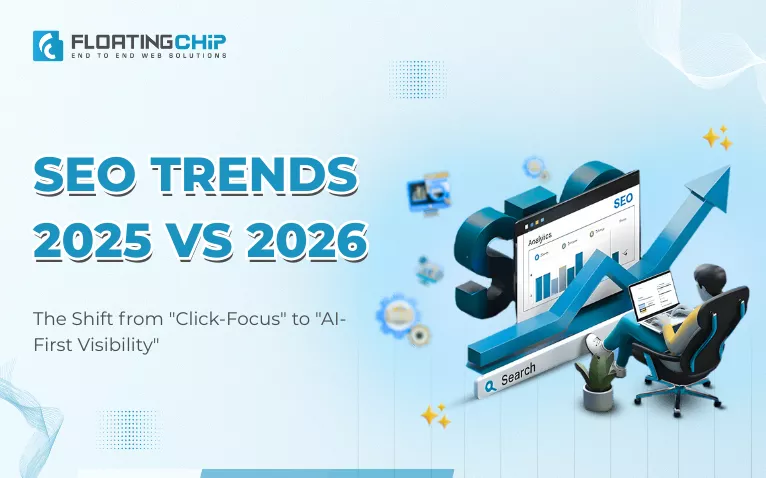
This website design template utilizes bold neon shines, a dark high-contrast background, and subtle animations to develop a fresh, contemporary, and vibrant feel. When used well, Cyber Neon brings interfaces to life with a streamlined, modern-day vibe by assisting users feel concentrated and confident, even in intricate digital environments. Image source Often, it's the smallest details that make a fantastic user experience.
They provide instantaneous feedback, guide attention, and make user interfaces feel responsive rather than fixed. When utilized thoughtfully, these details improve the experience without ending up being disruptive. Data does not have to feel cold or frustrating.
Core UI Innovations Defining Future Digital SEO
Instead of reading information, users experience it through scrolling, hovering, clicking, and discovery. This method reduces cognitive load and makes insights simpler to understand. The New York Times is commonly acknowledged for leading this style of data storytelling. Their interactive posts use scroll-based charts, animated transitions, and contextual descriptions that guide readers step by step.
Flat styles are so the other day. Rather of fixed images, designers are using interactive 3D models, animations, and spatial environments to bring items and ideas to life. These experiences develop depth, realism, and engagement that standard layouts can't attain. This pattern is already unfolding before our eyes. For instance, on Apple's site, visitors can turn, zoom, and check out gadgets nearly as if they're holding them.
When done right, 3D design turns a website from something you scroll through into something you experience. Neumorphism blends skeuomorphism and flat style by using mild shadows and highlights to create soft, embossed-looking user interfaces.
How Next-Gen Rank Tracker Tools Deliver Actionable ROI
It assists users recognize and connect with UI style components more naturally by including subtle depth and realism without cluttering the design. The result is an intuitive, aesthetically pleasing experience that feels both fresh and familiar. Apps like The first day Journal use neumorphic design to produce soft, inviting buttons and input fields.
AI is changing the way websites interact with each visitor. Every user sees a distinct homepage, with individualized recommendations, images, and even the order of shows customized to their viewing practices.
With 88% of business leaders planning to enhance AI budgets for smarter, more autonomous systems, AI personalization is becoming a leading priority. Amazon utilizes the exact same idea with item ideas like "More leading choices for you" or "Deals connected to your saved products." These small, customized touches make it simpler to discover and purchase products quickly.
XrumerNew AI models like Gemini 3 Pro can even create custom, interactive user interfaces on the fly based on your precise demands. Research study reveals these AI-generated designs match skilled human work 44% of the time, and they do it in seconds. That's a glance of the future of truly individual web experiences.
Manual vs AI Link Strategies for ROI
Minimalist style prioritizes clarity. Every element feels intentional, calm, and distraction-free, allowing the item to take center stage and decreasing cognitive overload.
Brands like Gucci utilize maximalism to develop immersive, emotionally charged experiences. Rather of passively reading, users feel directed through a story.