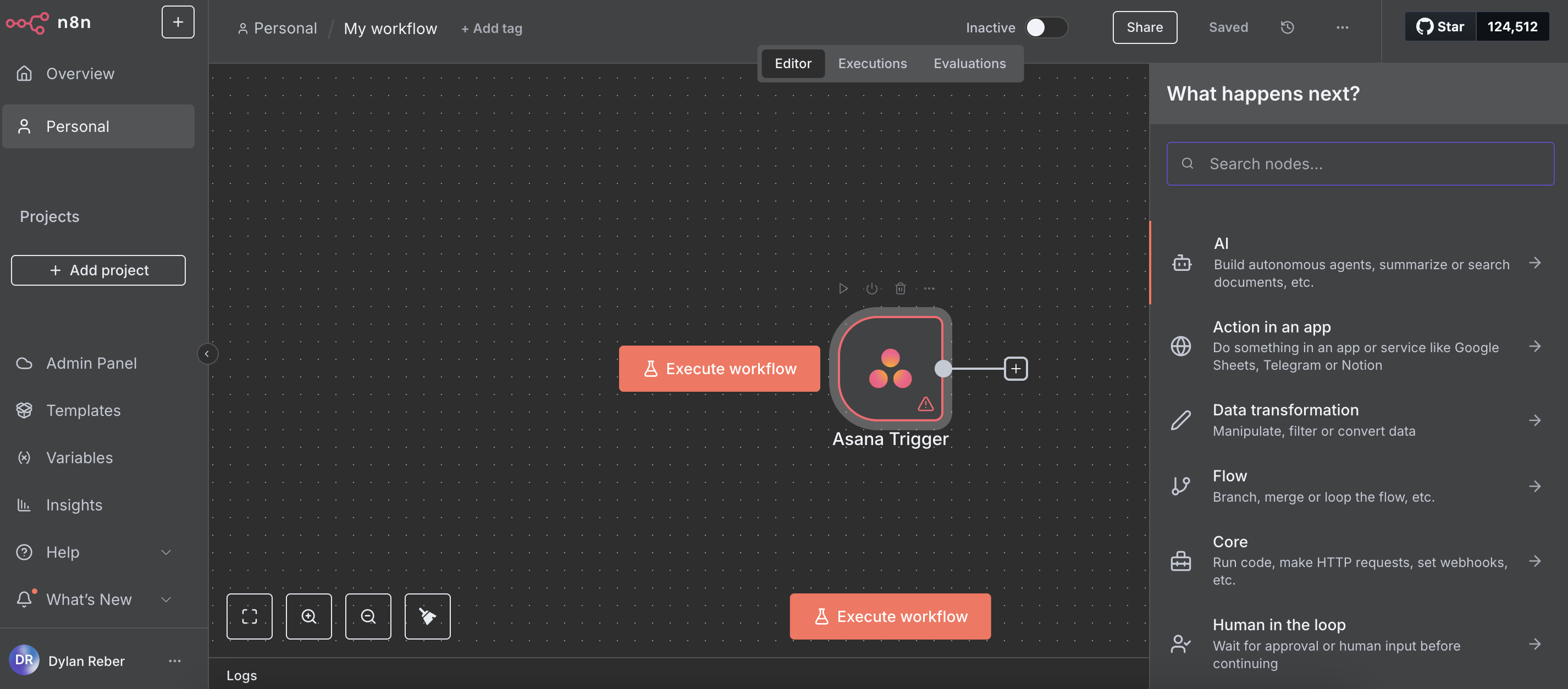
The Role of Webhooks in Real-Time SEO Content Distribution
The Shift Toward Forecasting in Search Marketing for 2026
The reliance on historic data has actually mainly faded as 2026 marks a shift towards completely predictive search methods. Agencies and internal teams no longer await month-to-month efficiency reports to comprehend why rankings shifted. Instead, the focus has moved to possibility designs that expect algorithm updates and user habits changes before they manifest in the search results. This shift is particularly visible in the regional market, where competitive density needs a faster reaction time than conventional methods allow. By calculating the possibility of intent shifts, services can adjust their material and technical structures weeks beforehand.
Predictive analytics in 2026 rely on enormous datasets processed through private neural networks. These systems do more than track keywords. They keep track of the belief of social conversations, the velocity of news cycles, and the movement of equity capital to think where search demand will spike next. For business included in digital growth, this suggests the distinction in between capturing a new market or falling behind rivals who saw the pattern coming. The objective is to move from a reactive posture to a proactive one, where every change to a website is based on a statistical expectation of future efficiency.
Data science has become the foundation of contemporary search projects. Experts are now spending more time on Python scripts and API integrations than on manual keyword research study. This development has actually resulted in a much deeper understanding of how online search engine classify details. Rather of looking at easy strings, search engines in 2026 prioritize entities and their relationships. Predictive designs map these relationships to identify gaps in a brand's authority. Reinforcing these connections through Asia Virtual Solutions Insights has actually ended up being a basic practice for preserving a high share of voice in congested sectors.
High-Velocity Link Building and Automation in the region
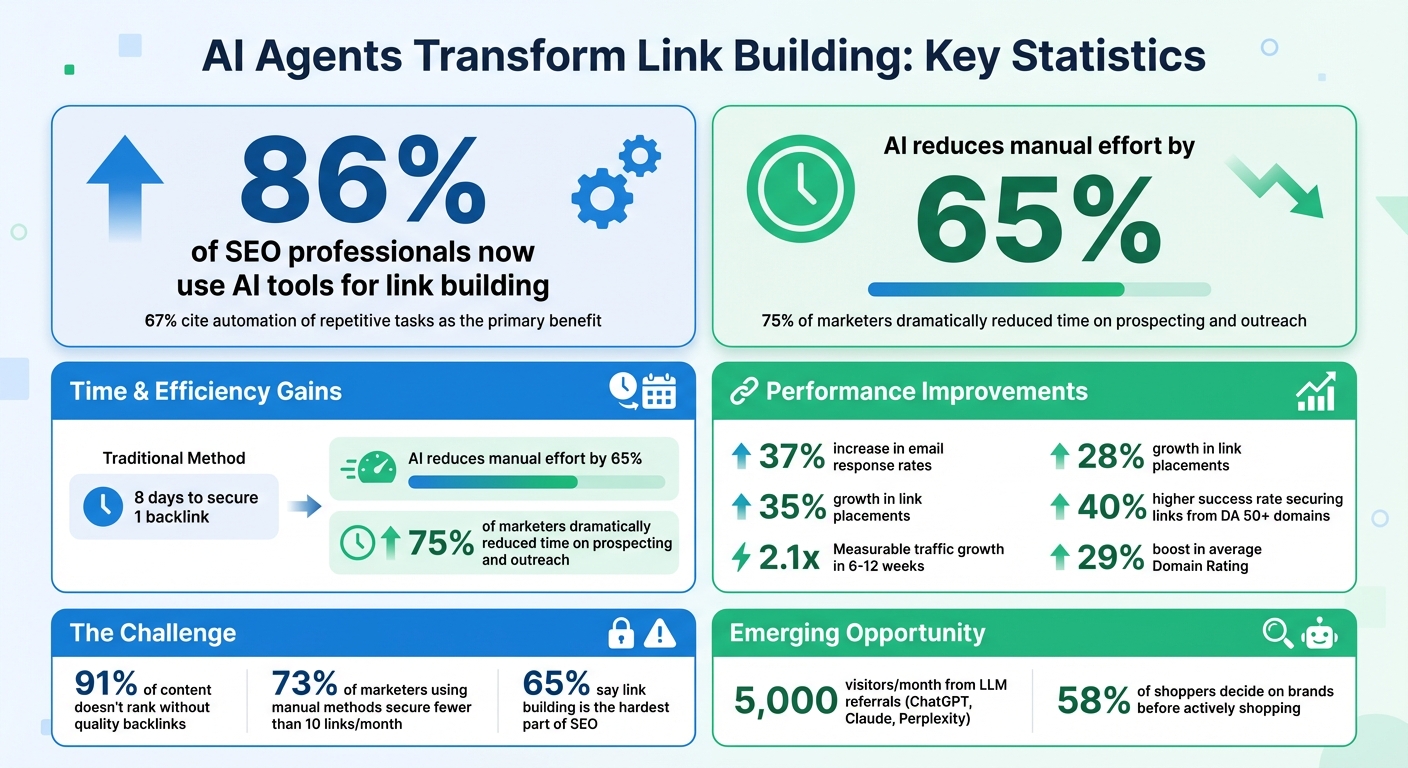
Connect building has actually undergone a substantial change in 2026. The manual outreach approaches of the past have been changed by high-velocity systems that recognize and secure placements at a speed previously thought impossible. These systems utilize device learning to vet possible partners for authority, importance, and safety in seconds. This permits a huge increase in the volume of high-quality backlinks without the danger associated with older, less advanced automation. In the local area, brand names are utilizing these tools to develop local authority by targeting local news outlets and industry-specific blogs with accuracy.
The concept of link speed is no longer almost the variety of links acquired with time. In 2026, it refers to the strategic timing of link acquisition to match the rising interest in a particular subject. Predictive tools alert groups to these increasing interests, allowing them to flood the market with pertinent links simply as the search engine's crawlers are searching for fresh authority signals. This integrated technique makes sure that content is supported by a strong backlink profile at the specific minute it requires to rank. The speed of this procedure is a defining quality of effective 2026 projects.
Quality assurance remains a concern in spite of the increased pace. Modern AI filters can discover a "link farm" or a low-grade site far better than a human ever could. These filters analyze the site's outbound link patterns, traffic sources, and content originality to guarantee every placement includes genuine value. Organizations wanting to scale their outreach typically find that Asia Virtual Solutions Honest Software Comparisons provides the essential framework to manage large-scale campaigns without sacrificing integrity. This balance of speed and quality is what separates top-tier performers from the remainder of the market.
AI Scaling and Content Intelligence for Organic Growth
Scaling content production has reached brand-new heights in 2026. Generative intelligence is no longer utilized merely to write drafts but to manage whole content cycles. These systems evaluate search intent at a granular level, figuring out exactly what info a user needs at every phase of their search. In the surrounding areas, regional companies utilize these insights to produce hyper-targeted material that addresses particular local issues or interests. This localized method, powered by device intelligence, permits a level of personalization that was formerly impossible at scale.
Content intelligence tools now anticipate the "decay rate" of an article. They inform editors when a piece of material will likely lose its relevance and recommend specific updates to keep it fresh. This prevents the slow decrease in rankings that frequently plagues older sites. By preserving a consistent state of optimization, brand names ensure their digital assets continue to perform every year. The automation of this process indicates that material teams can focus on top-level strategy and innovative instructions rather than the tiresome work of manual updates.
The integration of AI into the workflow has likewise altered how groups are structured. The function of the conventional SEO specialist has actually expanded to consist of components of information engineering and prompt architecture. These experts are accountable for training the AI on the brand name's unique voice and ensuring the output satisfies stringent quality guidelines. This human-in-the-loop system makes sure that while the volume of content increases, the worth to the reader stays high. In the competitive environment of the local market, this dedication to quality is what builds long-term trust with audiences.
Technical SEO Simulation and Digital Twins
Among the most advanced methods in 2026 is using digital twins for technical SEO. A digital twin is a virtual reproduction of a site where designers can evaluate modifications in a simulated environment before pushing them live. This enables the prediction of how a website's performance will change under various conditions. A company might replicate how a new site architecture affects the crawl budget plan or how a change in JavaScript execution effects core web vitals. This minimizes the risk of making modifications that might adversely impact rankings.
Predictive technical SEO likewise involves keeping an eye on the health of the web at large. Systems track the latency of DNS providers, the uptime of material shipment networks, and the general speed of the web in particular regions like the region. If a downturn is spotted, the site can automatically change its resource packing to compensate. This level of technical dexterity ensures that the user experience stays consistent no matter external elements. In 2026, technical quality is not almost following a checklist but about constant adjustment.
Search engines have also end up being more efficient at crawling. They focus on sites that demonstrate a high degree of technical dependability and structured information precision. Predictive models assist identify which parts of a website are probably to be crawled and indexed, permitting teams to prioritize their technical efforts. This targeted approach makes sure that the most valuable pages receive the most attention from search bots. For a specialized digital firm, these technical simulations are a vital part of the preparation procedure.
Data Personal Privacy and Ethical AI in 2026 Projects

As predictive analytics end up being more effective, the concentrate on information personal privacy has intensified. In 2026, search methods must adhere to rigorous worldwide policies that safeguard user information. This has actually caused the advancement of privacy-first tracking approaches that count on aggregated, confidential information instead of individual user profiles. Predictive designs are now trained on this cohort-based information, allowing for precise forecasting without jeopardizing personal privacy. This ethical method to information is a core requirement for any service operating in the local area.
Ethical AI use also encompasses content creation. There is a growing need for openness relating to the use of machine-generated text. Many brands now utilize watermarking technology or clear disclosures to inform readers when AI was included in the writing process. This constructs a sense of honesty and prevents the erosion of trust that can take place when AI is used deceptively. In the region, customers have shown a clear preference for brand names that are open about their use of innovation. Preserving this transparency is an essential part of brand name management in 2026.
The online search engine themselves have carried out new signals to assess the ethical standing of a website. Websites that participate in manipulative practices, such as "AI spamming" or misleading link building, are quickly identified and punished. The algorithms have actually developed to reward genuine know-how and authoritativeness. This has caused a resurgence in the significance of subject experts who work alongside AI to ensure the precision of the information supplied. The synergy between human knowledge and device speed is the hallmark of an effective 2026 campaign.
Future-Proofing Your Browse Strategy
Getting ready for the next phase of search requires a determination to desert out-of-date ideas. The standard "rankings first" mindset has been changed by a concentrate on comprehensive presence across numerous platforms and formats. Whether it is voice search, visual search, or generative responses, the objective is to be the main source of information for the user. This needs a flexible method that can adjust to new interfaces as they emerge. Services in the regional market that accept this flexibility are the ones most likely to flourish in the years to come.
Financial investment in data facilities is the very first action toward a predictive future. Companies require to guarantee their data is clean, accessible, and prepared for analysis by AI systems. This frequently includes moving away from tradition systems and embracing cloud-native options that use the necessary scale and speed. When the foundation is in location, the focus can shift to developing the models and workflows that drive predictive success. The transition might be complex, but the benefits for those who master these 2026 strategies are significant.
Partnership throughout departments is likewise vital. SEO is no longer a siloed function but is integrated into marketing, advancement, and product groups. By sharing information and insights across the company, services can create a more cohesive experience for the user. This holistic technique guarantees that every touchpoint is optimized for both online search engine and people. As search continues to progress, the ability to work together and adjust will remain the most important property any company can have.