Why Facilities Scaling Becomes Part Of the SEO Process
The Evolution of Browse Indexing in 2026
The digital environment in 2026 has actually moved far from the simple keyword matching of previous years toward a deep reliance on machine-driven material analysis. Search engines now prioritize websites that use raw data clarity and high-speed delivery. This shift makes the choice of a content management system (CMS) a basic technical decision rather than just an imaginative one. Conventional monolithic systems, which bundle the database and the discussion layer, typically battle with the weight of unnecessary code. In contrast, a headless CMS provides material through an API, permitting a much cleaner interaction between the server and the search bots that crawl the web for details.
Automated indexing has actually become the requirement for many search platforms. Bots no longer just "read" a page; they evaluate the performance of the information shipment. When a site utilizes a decoupled architecture, it reduces the amount of heavy raising a browser or a spider must do. This efficiency is particularly essential for companies concentrating on digital marketing because it guarantees that brand-new content is indexed practically as quickly as it is released. The speed at which an online search engine can crawl and classify a site straight impacts its exposure in a competitive year like 2026.
Speed and Crawl Budget in the modern market
Every search engine designates a crawl budget to a site, which is the amount of time and resources it spends bring data from that domain. In any competitive region, businesses typically lose visibility since their sites are too sluggish or too complicated for bots to browse efficiently. A headless CMS addresses this by getting rid of the discussion layer bloat. Because the content is provided by means of lightweight JSON files instead of heavy HTML blocks, search spiders can move through numerous pages in the time it would require to process a handful of pages on a traditional site.

This technical performance is a primary chauffeur for lots of companies looking to enhance their search standing. Those focusing on Asia Virtual Solutions discover that a much faster Time to First Byte (TTFB) significantly enhances how frequently search engines return to crawl the site. When the server action is regularly fast, the search engine increases the crawl spending plan, allowing more of the site's pages to be indexed and upgraded in real-time. This is an even more efficient method to handle a digital presence than merely adding more content to a sluggish, outdated system.
Optimizing API Responses for Automated Indexing
The way an API is structured identifies how well an online search engine can understand the relationship in between various pieces of content. In 2026, using GraphQL has actually become more common for headless setups since it enables particular data bring. Instead of a crawler getting an entire page of data, it can ask for precisely what it needs to understand the context of the page. This surgical accuracy in data shipment keeps the site lean and makes sure that the most important details is prioritized during the indexing procedure.
Structured information is another area where headless systems stand out. Because the content is already stored in a structured format in the CMS, it is much easier to output JSON-LD straight into the head of the page. This helps online search engine determine the particular type of material existing, whether it is a product, a review, or a technical guide. For businesses in the regional area, this level of information can be the distinction in between appearing in a highlighted bit or being buried on the second page of results.
Headless Architecture and Mobile-First Indexing in 2026
Mobile-first indexing is no longer a new principle, however the requirements for mobile efficiency have reached an all-time high in 2026. Online search engine now use mobile rendering as the main way to assess a website's value. A headless CMS enables designers to build a front end specifically for mobile devices that does not need to carry the weight of the desktop variation's possessions. This makes sure that the mobile experience is fast and responsive, which is an essential metric for maintaining high search rankings.
The ability to utilize various "heads" or front-end structures for different devices suggests that a business can serve an extremely enhanced variation of its website to a smart device while still using a feature-heavy version for desktops. All of this content is pulled from the same central source, making sure consistency. Many groups dealing with Asia Virtual Solutions are moving toward this design to guarantee they are fulfilling the strict performance requirements set by modern search algorithms. By decoupling the content from the design, they avoid the pitfalls of responsive design that can often result in slow mobile load times.
Automated Indexing and Webhooks
Among the most efficient tools in a headless setup is the usage of webhooks. These are automated signals sent out from the CMS to the search engine or a build server whenever content is included or customized. Instead of awaiting a spider to eventually find a brand-new page, a webhook can set off an immediate upgrade. This develops a push-based indexing system rather than a pull-based one. In the hectic market of the local area, being the first to have actually updated details indexed can provide a substantial advantage over rivals who count on traditional, slower crawl cycles.
This automation extends to the generation of sitemaps. In a headless environment, sitemaps are frequently produced dynamically through a script that queries the CMS API. This makes sure that the sitemap is constantly a precise reflection of the website's present state. If a page is deleted or a URL is changed, the sitemap updates instantly, avoiding crawlers from hitting 404 errors, which can negatively impact the website's credibility with online search engine. This level of technical health is necessary for anybody looking to preserve a strong presence in digital communications.
Technical SEO Benefits of a Decoupled Stack
A decoupled stack permits a more granular approach to SEO. Because the front end is constructed independently, designers have overall control over the HTML output. This implies they can ensure that there is no unnecessary code, no covert components that could confuse a spider, and a completely clean heading structure. The absence of theme-related bloat, which is common in standard CMS platforms, makes it a lot easier for online search engine to parse the content and understand the hierarchy of details on the page.
The security of a headless CMS is inherently greater due to the fact that the database is not straight linked to the front-facing site. Browse engines in 2026 have actually been understood to punish sites that show indications of vulnerability or have actually been compromised by malware. By utilizing an API-first method, the attack surface is decreased, which assists keep the site's stability and its standing in search results page. This security, combined with the efficiency gains, makes headless architecture a favored choice for high-stakes industries in the surrounding region.
Improving Core Web Vitals with Headless Delivery
Core Web Vitals stay the primary standard for measuring user experience and search efficiency. Headless CMS setups enable severe optimization of these metrics, particularly the Largest Contentful Paint (LCP) and Cumulative Layout Shift (CLS) Due to the fact that the developer has full control over how and when assets are packed, they can prioritize the rendering of the primary material, making sure a quick LCP. CLS is likewise simpler to manage because the layout is not reliant on heavy third-party plugins that may load at different times.
Constant efficiency throughout these metrics informs search engines that the site is trustworthy and easy to use. In 2026, the automated systems that rank sites are more conscious minor fluctuations in these ratings. Utilizing a headless system provides the stability required to keep these ratings high consistently. This stability is a significant aspect for those focused on web optimization when they are building brand-new platforms or migrating from legacy systems.
Selecting the Right Headless CMS for Automation
Not all headless systems are equal when it pertains to automation and indexing. Some offer better integrated tools for handling metadata and structured information, while others focus on the speed of their API delivery. When selecting a system for a job in the regional market, it is important to look at how the CMS manages localized material and internationalization. If a company runs in numerous regions, the CMS requires to be able to serve the right variation of the material to the right crawler without adding latency.
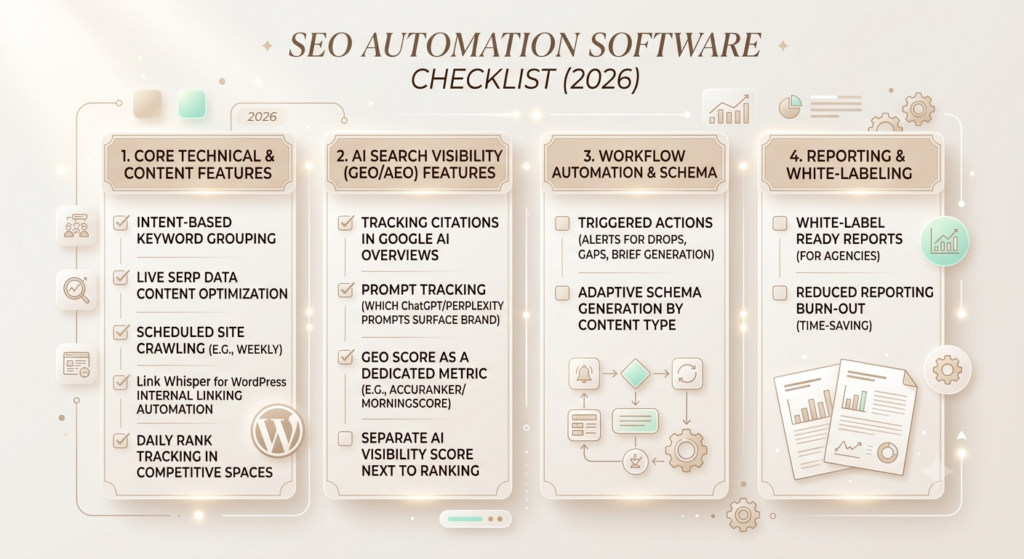
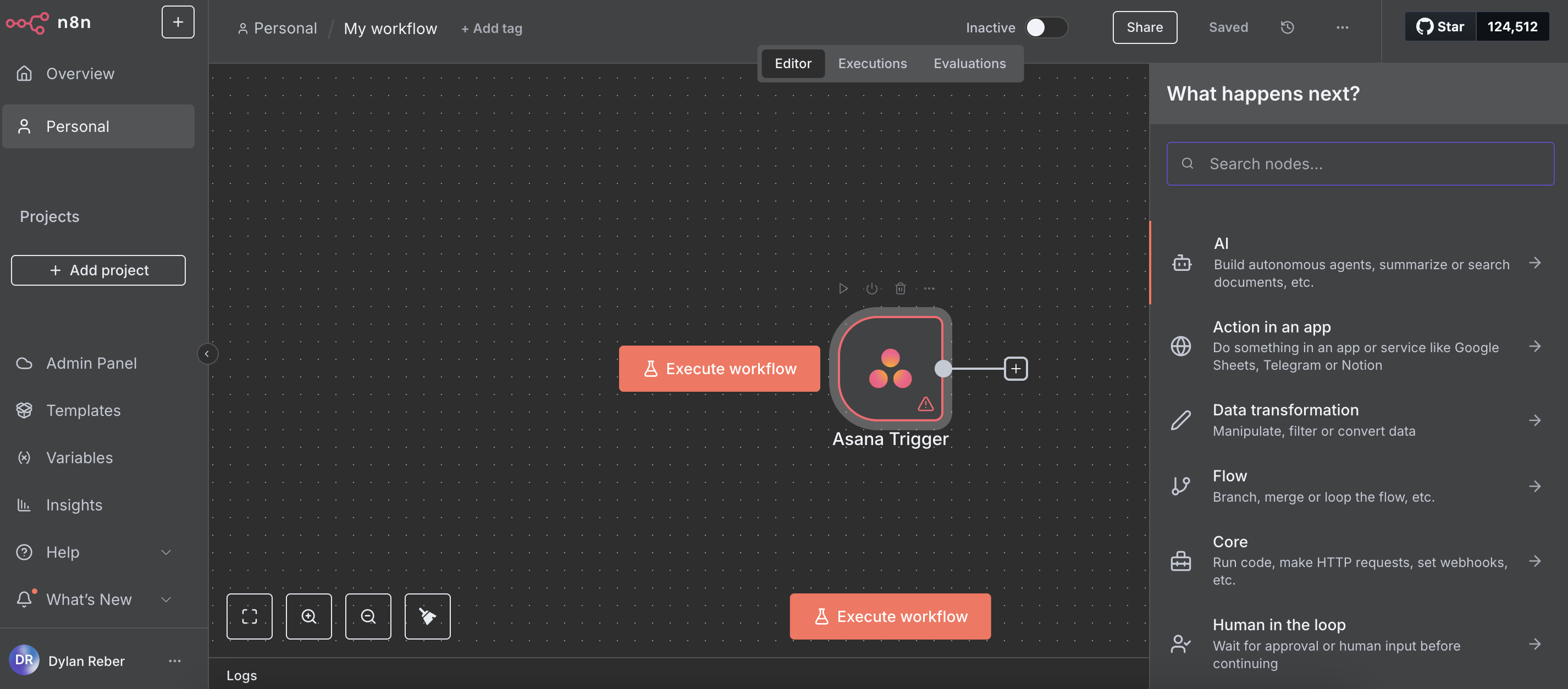
The ability to incorporate with third-party automation tools is likewise a major factor to consider. In 2026, lots of marketing groups use AI-driven tools to produce meta descriptions and alt text for images. A great headless CMS will have an open API that enables these tools to push data directly into the material fields. This develops a structured workflow where material is not only created but also optimized for search engines immediately before it even goes live. This level of integration is what separates a standard material repository from a truly modern-day marketing engine.
As the year 2026 advances, the gap in between high-performing headless websites and bloated legacy websites will only continue to grow. The concentrate on automated indexing and crawl efficiency has made technical architecture a primary issue for anybody included in content management. By prioritizing speed, clean data shipment, and automated workflows, services can ensure their content reaches its designated audience without being kept back by technical limitations.