Why Headless Systems Are Faster for Automated Material Sites
The Development of Search Indexing in 2026
The digital environment in 2026 has actually shifted away from the basic keyword matching of previous years toward a deep reliance on machine-driven content analysis. Online search engine now prioritize websites that offer raw data clearness and high-speed shipment. This shift makes the option of a content management system (CMS) a fundamental technical choice instead of simply an imaginative one. Traditional monolithic systems, which bundle the database and the discussion layer, often struggle with the weight of unneeded code. In contrast, a headless CMS provides content through an API, enabling a much cleaner interaction in between the server and the search bots that crawl the web for information.
Automated indexing has actually ended up being the standard for the majority of search platforms. Bots no longer just "check out" a page; they assess the effectiveness of the data delivery. When a site uses a decoupled architecture, it lowers the quantity of heavy raising a web browser or a crawler must do. This efficiency is especially important for companies specializing in digital marketing because it guarantees that new content is indexed practically as quickly as it is published. The speed at which an online search engine can crawl and classify a website directly affects its exposure in a competitive year like 2026.
Speed and Crawl Budget Plan in the modern market
Every online search engine assigns a crawl budget to a website, which is the quantity of time and resources it invests fetching information from that domain. In any competitive region, companies frequently lose visibility due to the fact that their websites are too sluggish or too complicated for bots to navigate efficiently. A headless CMS addresses this by eliminating the presentation layer bloat. Since the content is delivered via light-weight JSON files rather than heavy HTML blocks, search crawlers can move through numerous pages in the time it would take to process a handful of pages on a traditional site.

This technical performance is a primary driver for numerous organizations seeking to improve their search standing. For instance, those concentrating on Asia Virtual Solutions Methodology discover that a faster Time to First Byte (TTFB) significantly improves how typically search engines return to crawl the website. When the server reaction is regularly quick, the online search engine increases the crawl budget plan, permitting more of the site's pages to be indexed and upgraded in real-time. This is a much more effective method to handle a digital presence than simply including more content to a slow, outdated system.
Enhancing API Actions for Automated Indexing
The method an API is structured identifies how well a search engine can understand the relationship in between different pieces of material. In 2026, making use of GraphQL has ended up being more typical for headless setups because it permits specific information bring. Rather of a spider receiving an entire page of information, it can request exactly what it needs to understand the context of the page. This surgical precision in information delivery keeps the website lean and ensures that the most essential details is prioritized throughout the indexing procedure.
Structured information is another area where headless systems excel. Because the material is already saved in a structured format in the CMS, it is much easier to output JSON-LD directly into the head of the page. This helps online search engine determine the specific kind of content existing, whether it is a product, an evaluation, or a technical guide. For businesses in the regional area, this level of information can be the difference in between appearing in a featured bit or being buried on the second page of outcomes.
Headless Architecture and Mobile-First Indexing in 2026
Mobile-first indexing is no longer a new concept, but the standards for mobile performance have reached an all-time high in 2026. Search engines now use mobile making as the main method to assess a website's value. A headless CMS enables developers to construct a front end particularly for mobile phones that does not have to bring the weight of the desktop version's assets. This ensures that the mobile experience is quick and responsive, which is a crucial metric for preserving high search rankings.
The capability to utilize various "heads" or front-end frameworks for different devices means that a service can serve an extremely optimized version of its site to a mobile phone while still providing a feature-heavy version for desktops. All of this content is pulled from the very same main source, ensuring consistency. Numerous teams dealing with Asia Virtual Solutions Methodology are moving towards this model to guarantee they are fulfilling the rigorous efficiency requirements set by modern search algorithms. By decoupling the content from the design, they prevent the pitfalls of responsive style that can sometimes result in slow mobile load times.
Automated Indexing and Webhooks
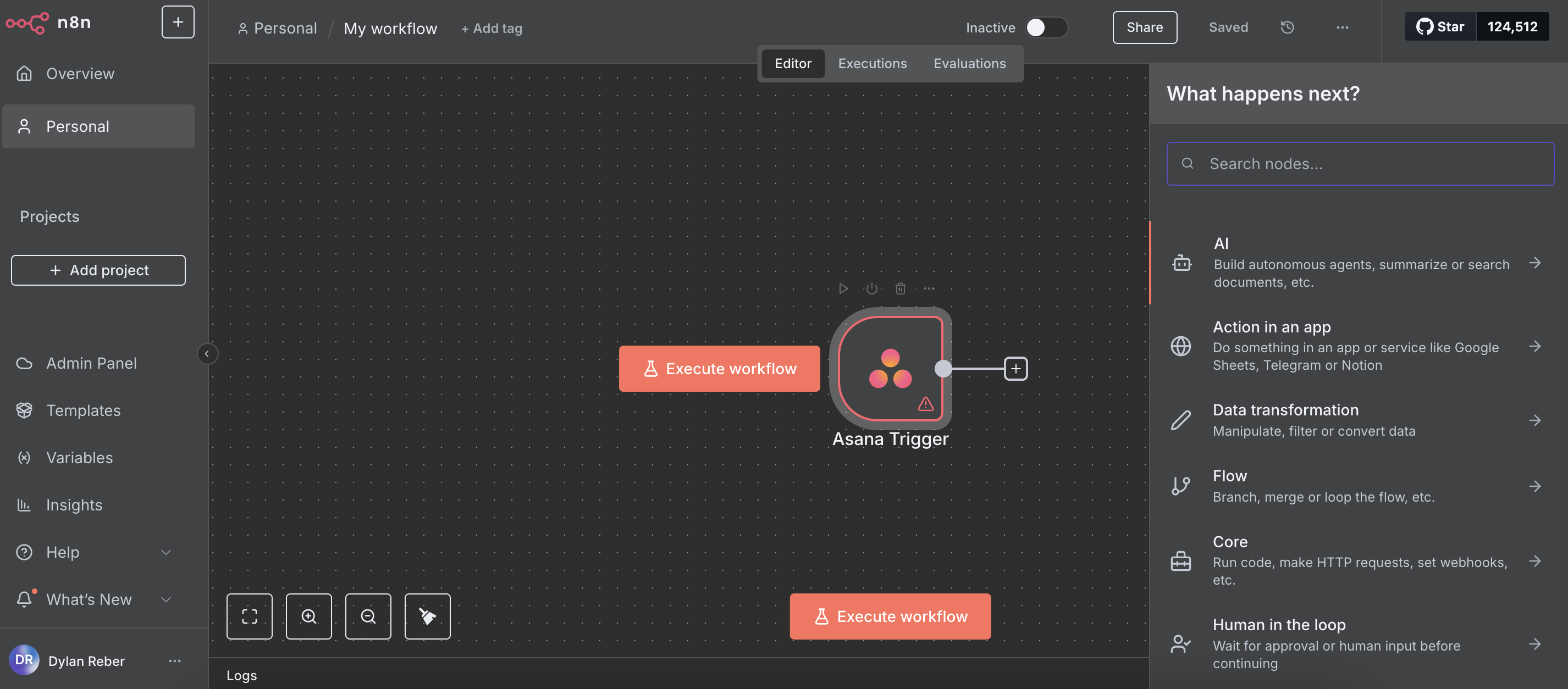
Among the most reliable tools in a headless setup is using webhooks. These are automatic signals sent from the CMS to the search engine or a construct server whenever content is included or customized. Rather of awaiting a spider to ultimately find a new page, a webhook can activate an instant upgrade. This creates a push-based indexing system rather than a pull-based one. In the fast-paced market of the local area, being the very first to have actually upgraded info indexed can offer a significant benefit over rivals who depend on traditional, slower crawl cycles.
This automation reaches the generation of sitemaps. In a headless environment, sitemaps are frequently generated dynamically via a script that queries the CMS API. This guarantees that the sitemap is always a precise reflection of the website's existing state. If a page is erased or a URL is changed, the sitemap updates immediately, avoiding spiders from hitting 404 mistakes, which can adversely impact the website's reputation with online search engine. This level of technical health is essential for anyone looking to maintain a strong existence in digital communications.
Technical SEO Benefits of a Decoupled Stack
A decoupled stack permits for a more granular technique to SEO. Because the front end is developed separately, designers have total control over the HTML output. This means they can make sure that there is no unnecessary code, no hidden elements that could puzzle a crawler, and a perfectly clean heading structure. The lack of theme-related bloat, which is common in conventional CMS platforms, makes it much easier for search engines to parse the material and understand the hierarchy of info on the page.
The security of a headless CMS is inherently higher since the database is not straight connected to the front-facing website. Online search engine in 2026 have actually been known to punish sites that show signs of vulnerability or have been compromised by malware. By utilizing an API-first approach, the attack surface area is reduced, which helps keep the site's integrity and its standing in search results. This safety, combined with the efficiency gains, makes headless architecture a preferred option for high-stakes industries in the surrounding region.
Improving Core Web Vitals with Headless Shipment
Core Web Vitals remain the main criteria for determining user experience and search efficiency. Headless CMS setups enable severe optimization of these metrics, especially the Biggest Contentful Paint (LCP) and Cumulative Design Shift (CLS) Because the designer has full control over how and when assets are loaded, they can focus on the rendering of the primary content, guaranteeing a quick LCP. CLS is also easier to handle because the design is not based on heavy third-party plugins that might fill at various times.
Constant performance throughout these metrics tells search engines that the website is trusted and user-friendly. In 2026, the automated systems that rank sites are more sensitive to small variations in these scores. Utilizing a headless system supplies the stability needed to keep these scores high regularly. This stability is a major factor for those focused on web optimization when they are constructing brand-new platforms or moving from legacy systems.
Picking the Right Headless CMS for Automation
Not all headless systems are equal when it pertains to automation and indexing. Some offer better built-in tools for managing metadata and structured data, while others concentrate on the speed of their API delivery. When picking a system for a job in the regional market, it is very important to take a look at how the CMS manages localized material and internationalization. If a business runs in numerous regions, the CMS needs to be able to serve the right variation of the material to the correct spider without including latency.
The capability to integrate with third-party automation tools is also a major consideration. In 2026, lots of marketing groups use AI-driven tools to generate meta descriptions and alt text for images. A great headless CMS will have an open API that permits these tools to push information directly into the content fields. This creates a streamlined workflow where content is not only produced but likewise enhanced for search engines immediately before it even goes live. This level of integration is what separates a fundamental content repository from a genuinely modern marketing engine.
As the year 2026 advances, the space between high-performing headless sites and puffed up legacy sites will just continue to grow. The focus on automated indexing and crawl performance has actually made technical architecture a main concern for anybody involved in content management. By focusing on speed, clean data delivery, and automated workflows, services can ensure their material reaches its designated audience without being held back by technical restrictions.